ABOUT OUR SERVICE
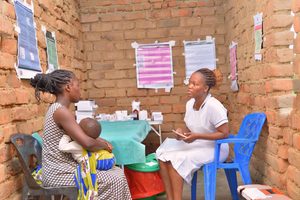
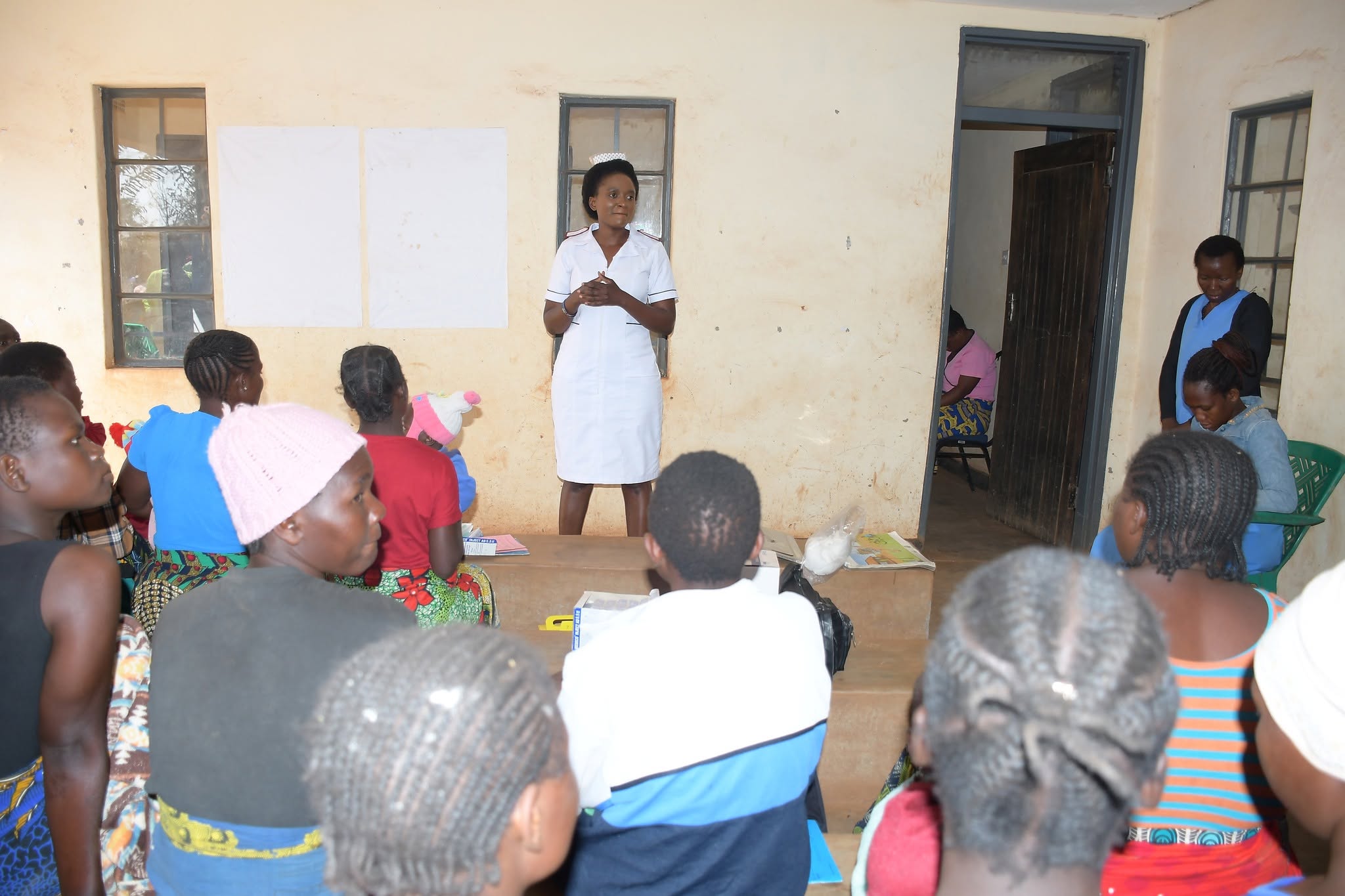
Antenatal Services at Family Planning Association of Malawi.
Pregnancy is a journey full of change, questions, and new experiences. Antenatal services and maternal health support help keep you and your baby healthy, safe, and cared for from the very beginning.
Every pregnancy is unique. Whether it’s your first baby or your third, the goal is to keep you informed, empowered, and supported every step of the way. Don’t wait — book your antenatal care today. Safe, confidential, and compassionate pregnancy support is here for you. Because a healthy pregnancy begins with care.
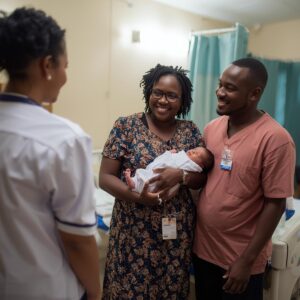
At our clinics, you’ll find both antenatal care and postnatal care designed to support your body, mind, and baby.

Why antenatal services matter to you and your baby.
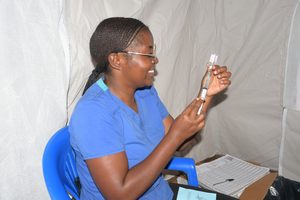
Antenatal services allow you to stay on top of your health with early pregnancy care and screenings, access essential tests and vaccinations to protect you and your baby, receive expert advice personalised to your pregnancy needs and feel supported throughout your pregnancy journey.
Why choose antenatal services and care?
Regular Pregnancy Check-ups
Track your baby’s growth and your health and wellbeing with personalised visits.
Trusted Guidance:
Clear answers to your pregnancy and maternal health questions in a welcoming space.
Emotional Support:
A caring team to listen, reassure, and guide you.
Healthy Living Advice:
Nutrition, exercise, and self-care tips tailored to your pregnancy journey.
Birth Preparation:
Learn what to expect so you feel confident and ready for delivery.


What happens during an antenatal visit?
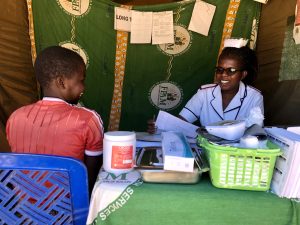
During each appointment, your health provider may check your blood pressure, weight, and overall wellbeing, monitor your baby’s development, and provide advice on nutrition, exercise, and self-care.
Common antenatal services questions
Antenatal services track your baby’s growth, monitor your health, provide essential pregnancy screenings, and prepare you for a safe and confident delivery.
What to Expect During Your Visit
is with you at every stage of your pregnancy and antenatal services provide comprehensive checks for both mother and baby.
Step 01
Maternal Health
A health provider will check blood pressure, weight, mental health and overall well-being.
Step 02
Baby Development
Depending on the gestation of your baby and visit type our health provider will assess your baby’s development and provide advice where necessary.

A healthy pregnancy begins with care.
Safe, confidential, and compassionate pregnancy support is here for you. Book your antenatal service today.
Non-Judgmental, Quality Care: Our trained health professionals and health extension workers provide accurate information, counselling, and quality family planning services through integrated facility-based and community delivery systems.